


Education - A Matter of the Heart
By Prof. Rachel Jayan
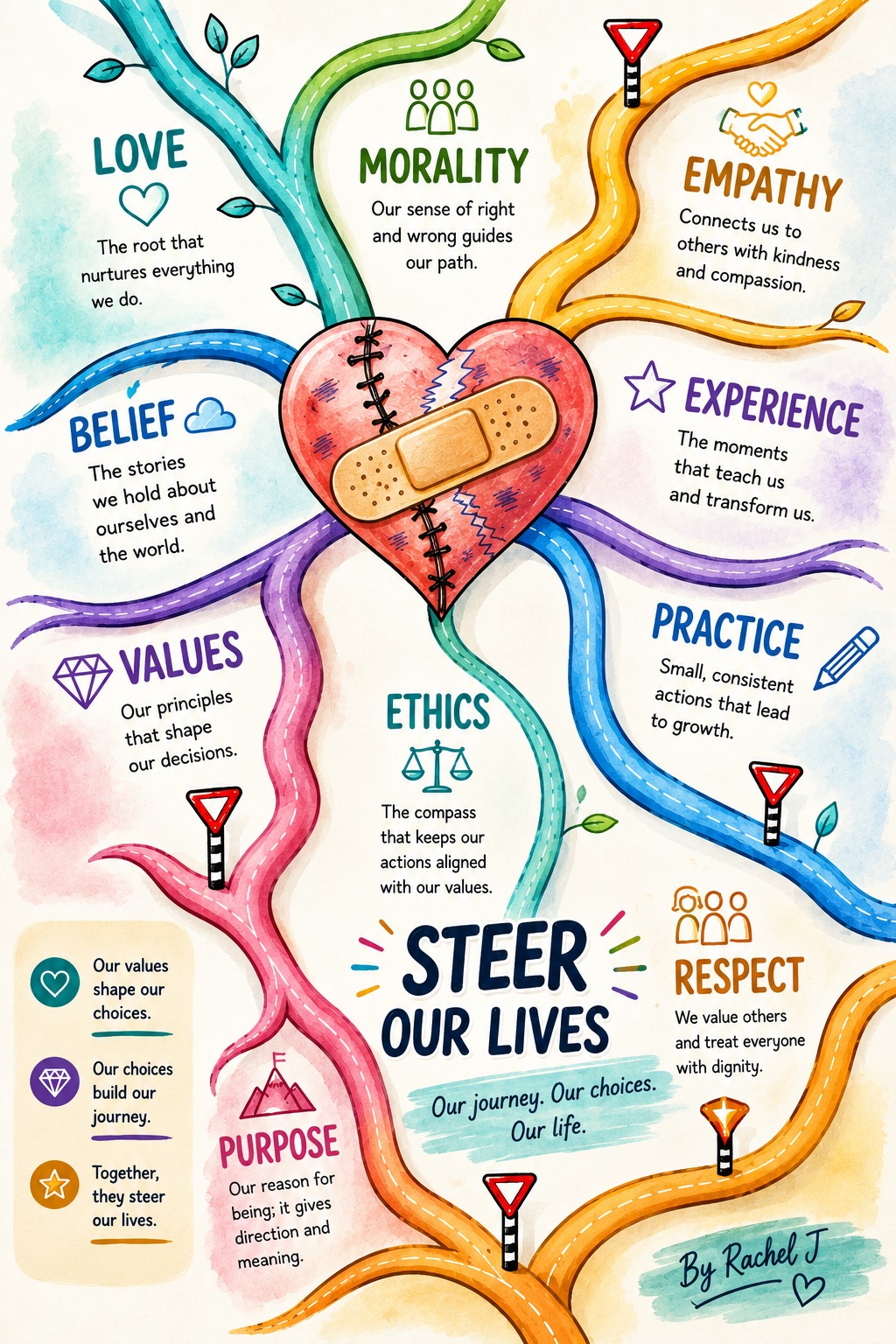
For much of my 27 years as an educator, I believed that my primary responsibility was to help students acquire knowledge. I carefully planned lessons to deliver content, assess learning and celebrated academic excellence which was regarded as the greatest responsibility of schools. While these remain important, knowledge is no longer scarce. Today knowledge fits into our pockets and is only a click away. Content has now become a commodity which can be bought via edtech apps. The real crisis, therefore, is no longer that of gaining information, but of cultivating humanity.
The recent events in India should shake every educator to the core. The tragic case of Amaira, allegations of ignored pleas of help, examination integrity failures such as the NEET paper leak, the suicidal death of students, the blatant neglect of the logical pleas and hunger strike of the youngsters who are part of the newly formed Cockroach Janata Party, violence against women and many more horrifying tales are not disconnected incidents!!
Put together, this is an urgent call pointing towards a society that is struggling with empathy, accountability and morality. This is not only a failure of governance but also a reminder that education is in danger of losing its purpose.
For decades, we have measured success by marks, rankings, admissions, and employability. We have celebrated academic excellence while often overlooking emotional intelligence, ethical reasoning, compassion, and ability to notice another persons’ suffering.
We have produced capable minds and ignored wise hearts.
The teachers we desperately need are those who know how to listen than merely hear, perceive than only observe, understand before judging and respond before it is too late; teachers who recognize every behaviour is communication, every silence may conceal pain and every classroom has the potential to heal or harm.
This is an urgent call to educators all over the world that the focus is no more on lesson plans, content or knowledge which can be easily developed by artificial intelligence; nor on educators who are ‘qualified’ to teach and their certificates; but on educators who are wise and empathetic.
No algorithm or technology can substitute a trusted adult who notices a child sitting quietly or a forced smile or one who has repeatedly reached out to us with their concern, thoughts or opinions.
As educators we need to create systems, which intentionally nurture empathy, resilience, ethical decision making and prepare students not only for careers but for life itself.