


Teacher Education in the Age of AI
– Dr Anamika, Faculty, ITARI
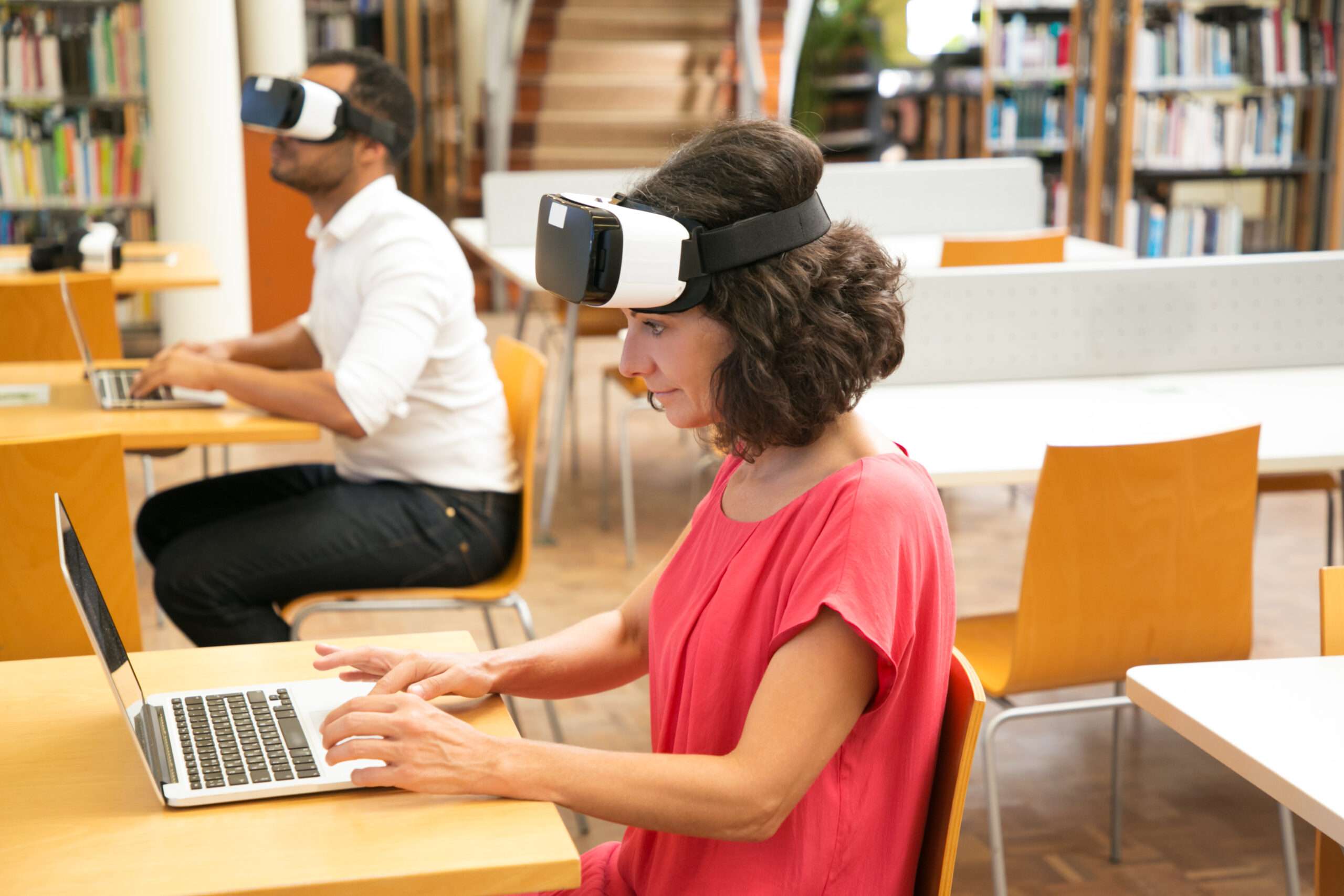
In the year 2024, AI was awarded two Nobel Prizes in Physics and Chemistry. AI is shaping the contemporary world. It is impacting education in general, and teacher education in particular, and we should not be oblivious to it. The learner is no longer the same and now has unrestricted access to the knowledge pool of any discipline. Is it possible for a teacher to compete with AI in answering subject-specific questions? Then, why do we need teachers? Certainly, we do not need the teachers who are dispensers of knowledge. Here, the role of teacher education is to ensure that teachers are equipped with distinct competencies and dispositions needed in the Age of AI, which set them apart from ordinary teachers and make them qualified to become future teachers.
The utmost important competency in a future teacher would be the ability to think critically. A teacher imbued with critical thinking can think for herself, engage with multiple ideas, understand the perspectives of others, weigh the evidence before reaching a judgment, respectfully communicate her logical disagreement with others, and collaborate with colleagues, students, and AI.
This future teacher has a research and data mindset: understands how children of the third millennium learn and can distinguish between deep fakes and genuine information. As the territorial boundaries are becoming fluid and rigid at the same time, this future international-minded teacher is ever-ready to teach any learner from any part of the world. This future teacher is a lifelong learner who is not weary of the adverse impact of AI on her employment but is working in tandem with it to build her career. This future teacher is firmly grounded in the social realities and working for justice, fairness, and equality. And, the creation of such teachers is the responsibility of teacher education institutions.